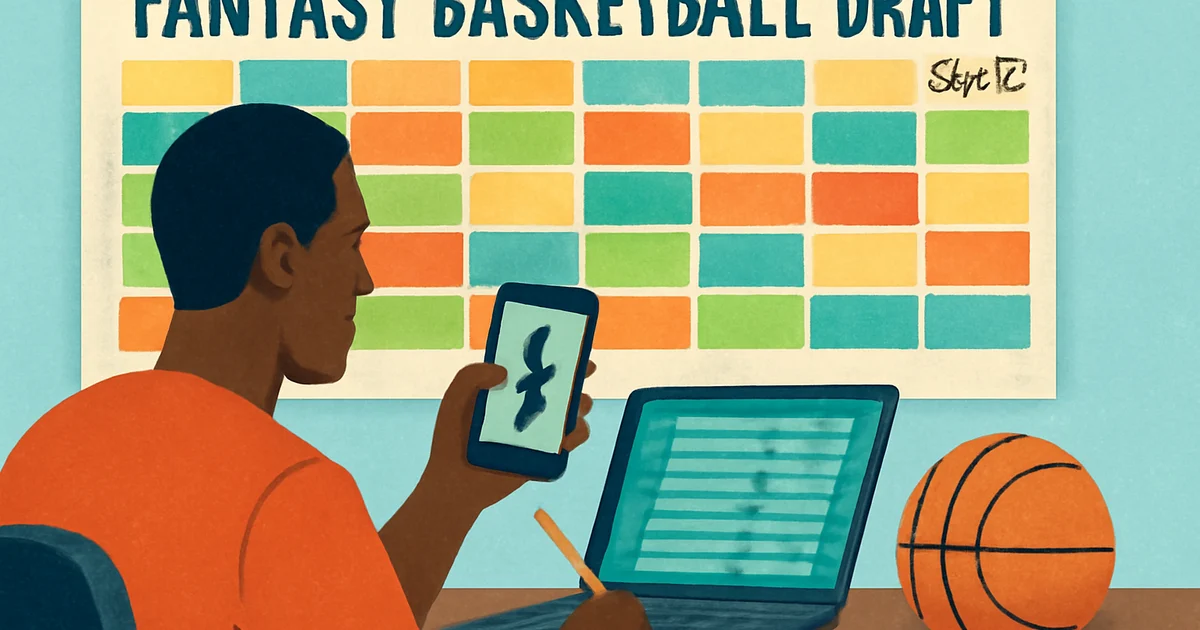
As NBA training camps kick off and another season approaches, countless basketball enthusiasts are preparing to join fantasy basketball leagues, some for the very first time. Fantasy basketball offers an engaging way to follow the league, test your basketball knowledge, and connect with fellow fans. If you’re new to the game, understanding the league setup, draft strategies, and ongoing management practices will set the foundation for a rewarding experience throughout the 2026-27 NBA season.
Choosing the Right League Format and Participants
The first and perhaps most important step in fantasy basketball is deciding who you want to play with and selecting the league format that best suits your preferences. For many, joining a league with friends or colleagues makes the experience more engaging—and if there’s an entry fee, it’s generally easier to handle logistics among acquaintances. Others may opt to test their skills against strangers online, often without an entry fee. Whatever the case, always ensure that any financial commitment is within your comfort zone to keep the experience fun and stress-free.
Next, consider the league type: do you prefer a points league or a category league? In a category league, managers compete to win the most statistical categories each week, while points leagues assign specific values to player stats (for example, 1.5 points per assist or 3 points per block in some default scoring systems). This choice will directly influence your draft priorities and in-season strategies. Head-to-head formats pit you against another manager weekly, while rotisserie (roto) leagues track stats across the season, making early season performance more consequential. Dynasties keep managers invested for years, while redraft leagues start fresh each season. Beginners often find redraft leagues the least daunting.
Draft Methods: Snake or Salary Cap
Draft day decisions shape your chances for the entire season, and leagues can choose from several draft types. The most common format is the snake draft, where the draft order reverses after each round—ensuring a fair distribution of talent among teams. Some leagues include a reversal every two rounds, slightly changing the balance for those with early or late picks. Decisions about whether to conduct the draft in one sitting or allow a slower, online format can affect the league’s social dynamic and pace.
Salary cap (or auction) drafts present a different challenge: each manager is given a fixed budget—typically around $200—to bid on players. This system provides more flexibility, letting you invest heavily in superstars or spread your resources evenly. Online salary drafts tend to be smoother due to built-in automation and easier tracking of budgets. Whatever the draft type, preparing a shortlist (queue) and enabling alerts so you don’t miss your turn are wise practices.
Preparation and Mock Drafts: Setting Yourself Up for Success
Thorough preparation is key to enjoying and excelling at fantasy basketball. Relying solely on generic ranking sheets may leave you vulnerable to missing vital context—such as injury updates, coaching changes, or shifting team roles. Preseason articles, podcasts, and updated lists reflecting recent developments can give you an edge. If you do prefer a cheat sheet, choose one that is frequently updated just before your draft.
Participating in mock drafts is particularly beneficial, especially if you’re unfamiliar with your chosen format. Mock drafts simulate the real process, letting you adjust your strategy based on draft order and unexpected player selections. In salary cap leagues, these sessions help determine which players are over- or undervalued by the broader community. By practicing, you’ll feel less pressure on draft day and be better prepared to pivot if surprises arise.
Managing Your Team During the Season
Winning a fantasy basketball league isn’t just about drafting well—it requires ongoing attention through the season. Many leagues allow daily lineup changes; others require you to lock in your lineups for the week ahead of Monday’s games. For daily leagues, a routine check in both the morning and evening is wise, keeping you updated on injuries or late scratches. If your league caps the number of games your team can play each week, be especially attentive to player schedules and matchups.
As the season progresses, don’t be afraid to change your strategy if things aren’t going well. Sometimes a few savvy waiver-wire pickups can revitalize your roster; in other cases, a major trade might be necessary. In rotisserie formats, catching up after a slow start can be more challenging, so timely adjustments are even more critical. Importantly, any trades or negotiations should be fair—unsportsmanlike tactics can sour the experience for everyone and may jeopardize future participation.
Above all, fantasy basketball is meant to be fun. Maintaining sportsmanship and engagement helps leagues last for years and can turn even anonymity into camaraderie among managers.