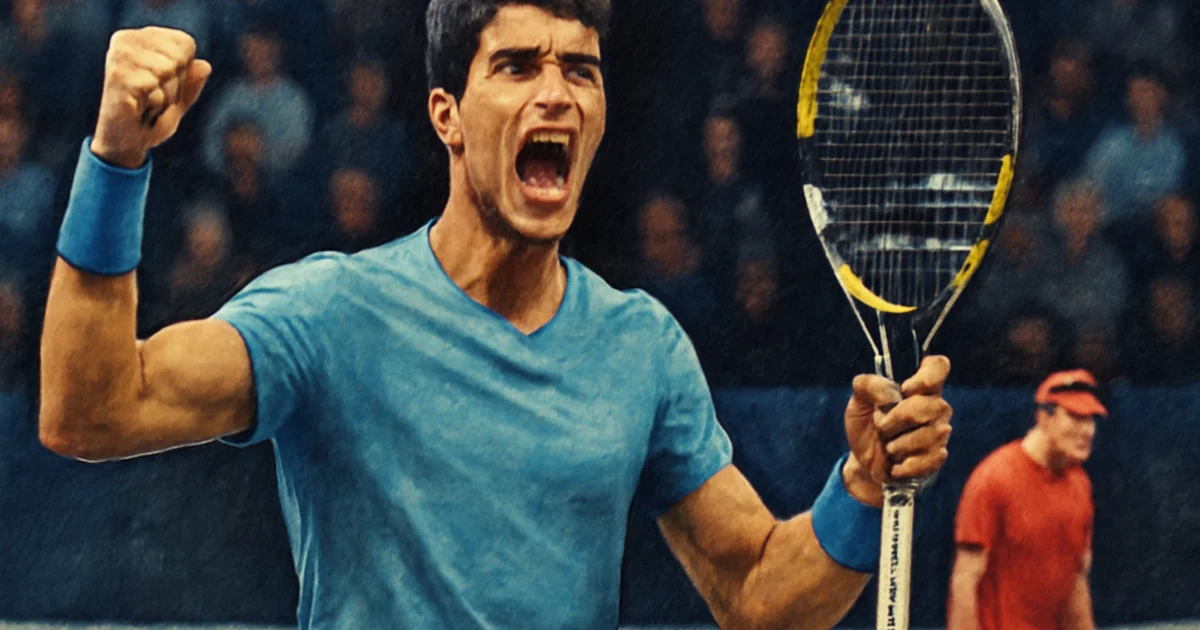
Carlos Alcaraz capped a challenging period of his career with a statement victory in Tokyo, successfully defending his Japan Open title against Jiri Lehecka. The win marked a pivotal step in Alcaraz’s recovery from a serious right wrist injury that sidelined him for months.
Title Defense After Lengthy Layoff
Returning to competition after missing much of the middle season, including Roland Garros and Wimbledon, Alcaraz faced persistent doubts about his health and form. Having resumed play in late August and reaching the US Open quarterfinals, the third-ranked Spaniard was still playing with a compression sleeve on his right arm for added support. His victory in Tokyo is his third title of 2026 and his first since Doha in February.
On his way to the final, Alcaraz had intermittent struggles with consistency, notably dropping the first set and losing 16 consecutive points in his semifinal against Jaume Munar. Despite these patches, Alcaraz managed to find answers at crucial moments—a trait he credited for making the difference throughout the week.
Resilient Performance in the Tokyo Final
In the championship match, Alcaraz overcame an early break from Jiri Lehecka, eventually leveling at 3-3. During a tight opening set tiebreak, Alcaraz trailed 4-2 before stringing together five straight points, clinching the set in style. His play highlighted his ability to problem-solve on court, pulling off a deft forehand drop shot and capitalizing on Lehecka’s miscues.
Momentum continued in the second set as he broke Lehecka midway and served out the match to love, closing with authority. The win over Lehecka, who had arrived in the final on a six-match winning streak, underscores the significance of Alcaraz’s comeback.
Mental Challenge and Perspective
Alcaraz admitted that his time away prompted doubts about ever returning to his best or playing pain-free again. He credited his team for helping him prioritize full recovery and maintain a positive approach. The Tokyo win brings his career title tally to 27, and marks a successful resolution to his period of uncertainty.
Reflecting on the week, Alcaraz said he might not have played his absolute best at all times but was able to deliver when it mattered most—a sentiment evidenced by his performance in the decisive points.