Manchester United’s early season struggles have drawn concern from within, as goalkeeper Senne Lammens urges the team to address persisting defensive shortcomings. With a string of pivotal fixtures lined up in both the Champions League and Premier League, pressure escalates on manager Michael Carrick and his squad to stabilize their performances at the back and regain momentum after a disappointing start.
Alarming Trends in Opening Matches
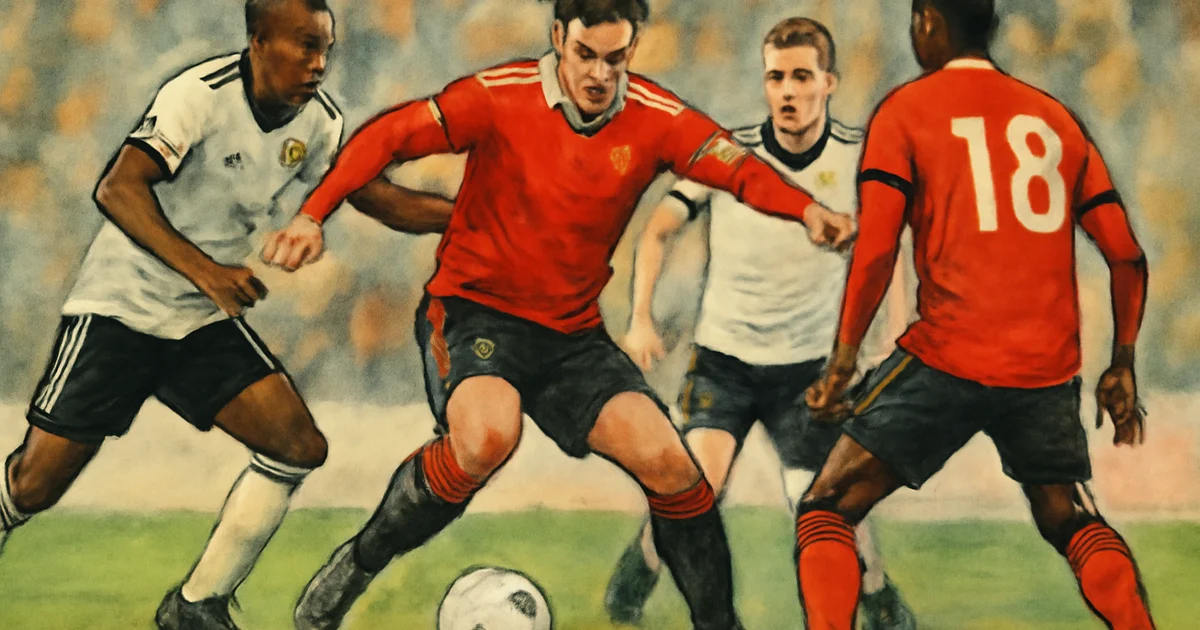
The start of Manchester United’s season has been rocky, with defensive lapses frequently undermining their results. Their most recent league match, a 1-1 draw at home to Tottenham Hotspur, captured recurring themes of the campaign so far. Despite being in a favorable position late in the match—Tottenham was reduced to ten men—United allowed a stoppage-time equalizer that epitomized their inability to maintain focus and composure under pressure. These dropped points reflect a broader pattern, with the club amassing just six points from their first six league games, leaving them far behind early leaders and raising doubts about building on last year’s third-place finish.
Defensive Adaptation and Team Responsibility
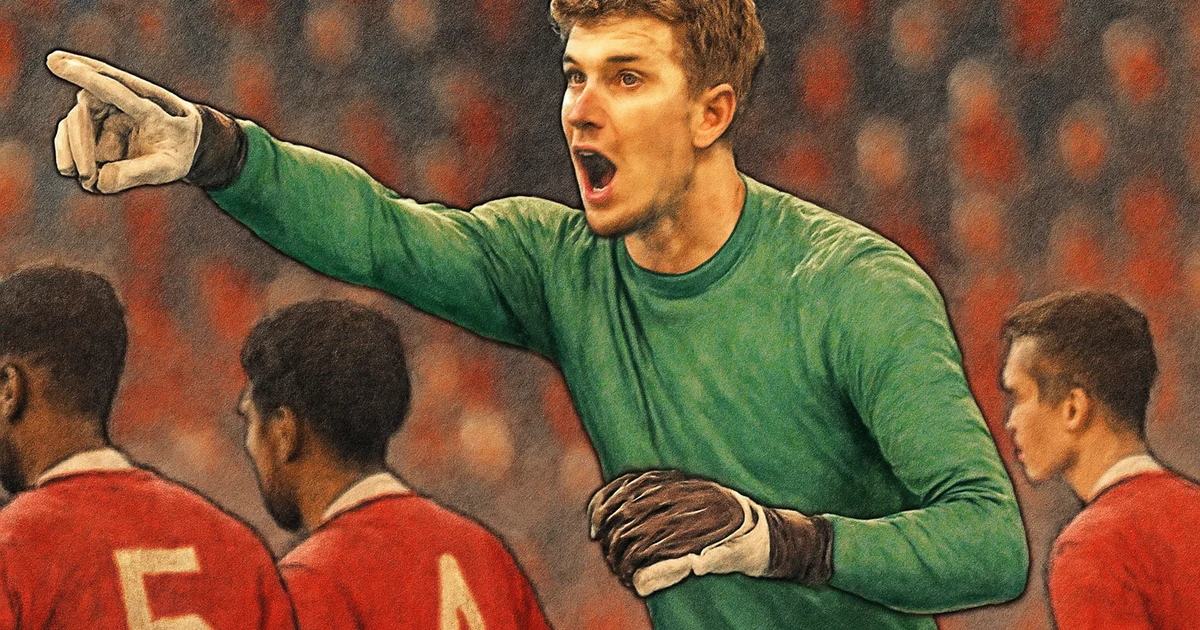
Senne Lammens, reflecting on the recent draw, underlined that defensive vulnerability is not limited to individual errors but stems from the collective approach. He described defending as a shared task, emphasizing the importance of coordinated pressing and the need to improve handling of crosses. While he acknowledged some positive adjustments during matches—including tactical tweaks and productive substitutions—he emphasized that momentary lapses, even when overall play is solid, can be costly.
With United’s defensive foundation looking shaky, the necessity for rapid learning and adaptation is evident. Lammens noted the contrast with last season, when the team sometimes prevailed without their best performances, whereas this season, results have been elusive despite periods of better play.
Crucial Fixtures Demand Fast Improvement
The schedule confronting United permits little recovery time. Their imminent trip to Atletico Madrid in the Champions League poses an imposing challenge against a team known for relentless pressing. Afterwards, they face domestic rivals Leeds United, a Champions League date with Como, and Premier League tests against Bournemouth and Chelsea. This difficult run continues through November, with matches against Roma, Aston Villa, Liverpool, Sporting Lisbon, and Brentford, presenting a sequence that will likely shape both the season’s direction and Carrick’s position as manager.
Lammens conveyed that one benefit of this fixture congestion is the chance to move past setbacks quickly, by focusing on the next high-stakes test. However, he was clear that only a collective improvement in urgency, structure, and defensive responsibility can stem the tide of recent results and rebuild confidence.
Substitutes and Squad Depth in the Spotlight
One positive element amid United’s sluggish start has been the impact of substitutes in providing energy late in games. Contributions from players like Joshua Zirkzee and Carlos Baleba off the bench against Spurs illustrated how squad depth could become valuable as fixtures mount. Lammens expressed confidence in the ability of such squad members to step up when called upon, pointing to the depth he sees in training.
Nevertheless, with Carrick under increasing scrutiny due to the team’s lack of cohesion and defensive resilience, the coming weeks represent a decisive period. United’s hopes for a turnaround rest on improved discipline and a united response from both starters and substitutes, as the club seeks to weather one of the most challenging stretches of the season.